India stands at a pivotal point in its food economy. As one of the world’s largest producers of fruits, vegetables, milk, cereals, pulses, spices, and plantation crops, the country can shift from exporting raw commodities to leading in value added food products. Food processing is now strategic for economic growth, employment, rural development, export promotion, and food security. Favourable government policies, rising domestic consumption, urbanization, technology adoption, and infrastructure investments make the sector attractive to investors, entrepreneurs, Farmer Producer Organizations (FPOs), cooperatives, startups, and established firms.
Why food processing matters?
Large post harvest losses, fragmented supply chains, limited storage, and weak processing capacities keep farmer incomes and sector efficiency below potential. Food processing adds value, extends shelf life, improves marketability, and connects farmers to organized markets. Benefits flow across the value chain:
Farmers: better price realization, reduced losses, market access, income stability.
Consumers: safer, standardized, convenient products with year round availability.
Economy: job creation, rural industrialization, export growth, improved food security.
Key growth drivers
- Rising domestic consumption: an expanding middle class and changing lifestyles are increasing demand for ready to eat (RTE), ready to cook (RTC), frozen, packaged, functional, organic, and premium dairy products.
- Urbanization and modern channels: growth in modern retail, e commerce, quick commerce, food delivery, and organized food services boosts demand across manufacturing, packaging, and logistics.
- Government support: schemes such as PMFME, MIDH, APEDA, NABARD programs, and state policies provide subsidies, credit, infrastructure support, and market development.
- Export expansion: competitive costs, abundant raw materials, improving quality standards, and export incentives are opening markets for frozen foods, processed fruits and veg, spices, millets, and nutraceuticals.
Investment hotspots
- Cold chain infrastructure: cold stores, CA storage, multi commodity facilities, ripening chambers, reefer vehicles, pre cooling and frozen storage reduce wastage and enable higher value trade.
- Pack houses: sorting, grading, washing, drying, packaging, and quality inspection facilities improve shelf life and export readiness.
- Collection and aggregation centres: hubs for collection, temporary storage, sorting, and market linkage strengthen FPOs, cooperatives, and rural clusters.
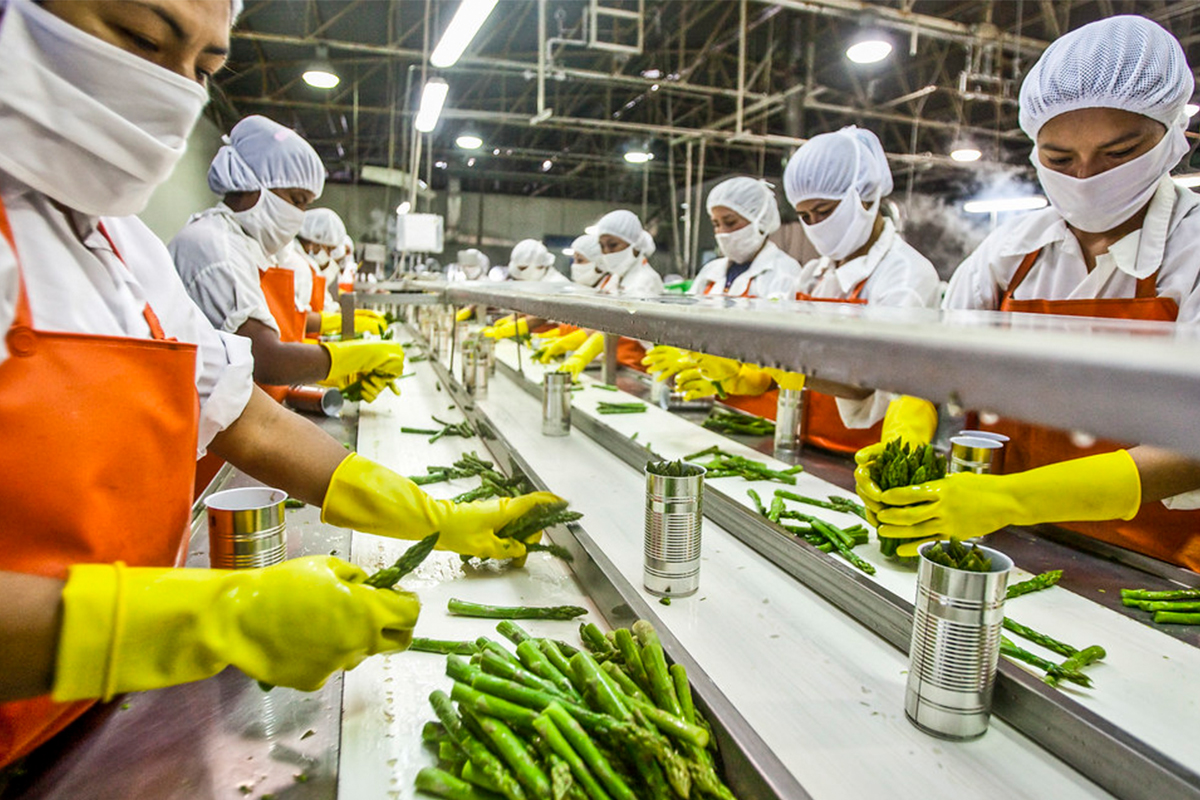
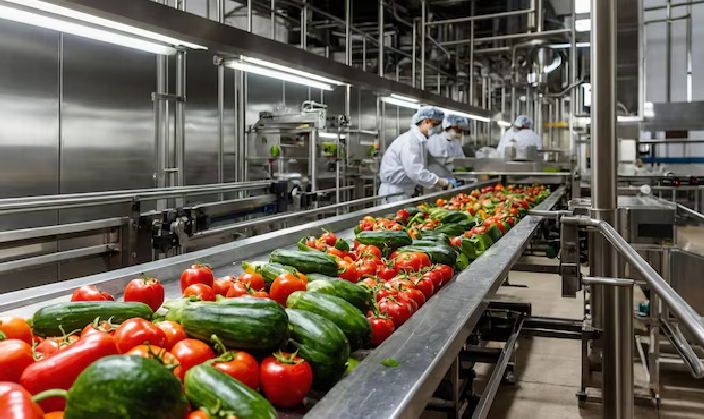
- Fruit & vegetable processing: pulp, juices, frozen, dehydrated products, pickles, and tomato/stone fruit processing address low current processing levels and rising convenience demand.
- Dairy processing: milk processing, cheese, yogurt, ice cream, value added and functional dairy products leverage India’s leading milk production.
- Export oriented units and warehousing/logistics: specialized processing units, food grade warehousing, temperature controlled logistics, and integrated supply chains enhance competitiveness.
Emerging trends
- Digital transformation: AI, IoT, automation, smart manufacturing, predictive maintenance, and digital traceability improve productivity and quality.
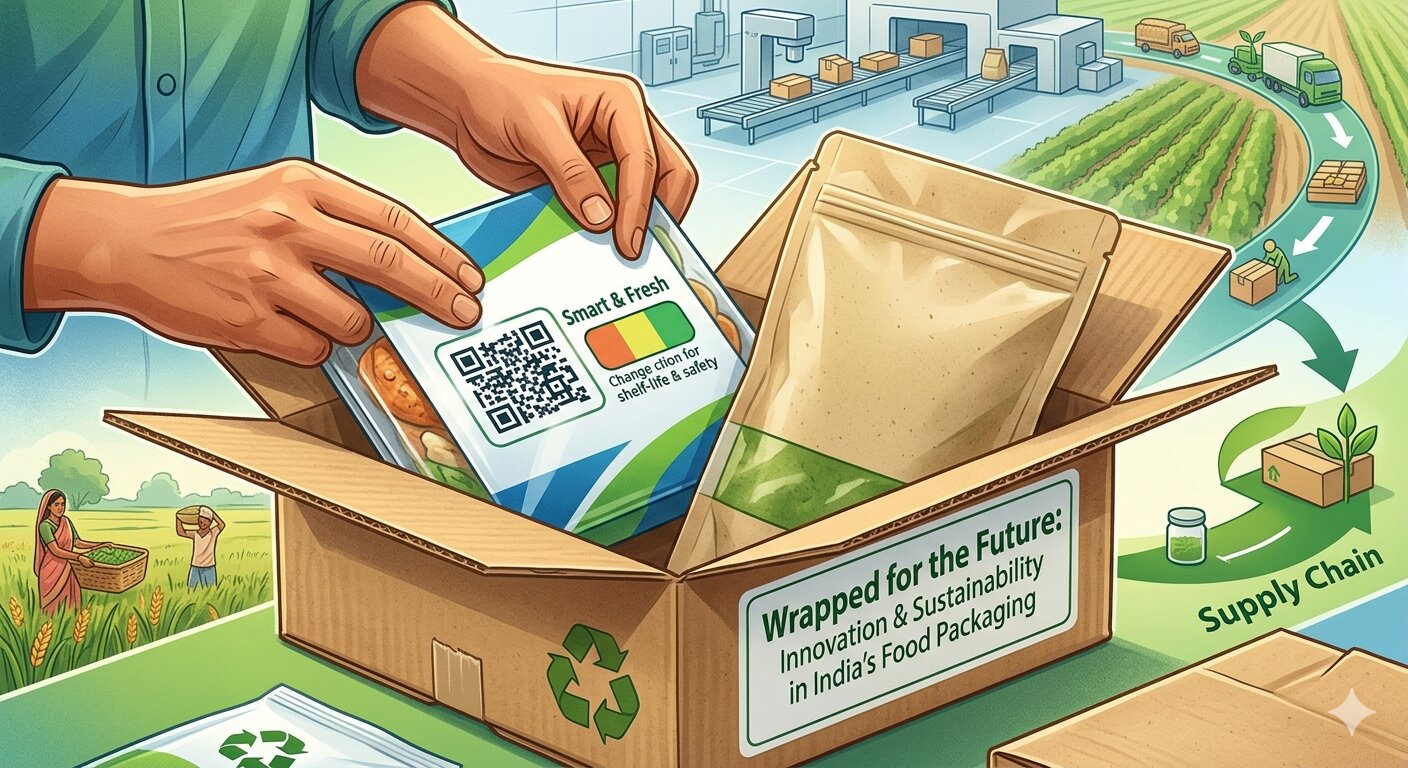
- Sustainability: renewable energy, water conservation, waste management, circular models, and sustainable packaging are becoming strategic priorities.
- Health & wellness: functional, fortified, protein rich, plant based, clean label, and organic products are fast growing categories.
- Food safety and traceability: certifications, quality assurance, and transparent supply chains are increasingly required by consumers and export markets.
Challenges and opportunities
Fragmented supply chains, infrastructure gaps, quality inconsistencies, and regulatory complexity remain. These gaps, however, create investment opportunities in infrastructure, value addition, technology adoption, supply chain integration, export readiness, and quality assurance.
Outlook
India’s food processing industry is entering a transformational era. With supportive policies, rising demand, and technology and infrastructure investments, the sector can drive rural prosperity, employment, and global competitiveness. Businesses that invest now in infrastructure, innovation, compliance, and value addition are best positioned to lead India’s next wave of food industry growth.
Dr. Surender S Ghonkrokta